10 Fun Facts About California You Probably Didn't Know
California is easily one of the most recognized places on the planet. From the pacific ocean coastline to its sun-soaked deserts, the golden state draws millions of visitors and captures imaginations worldwide. But beyond the famous beaches, the hollywood sign, and the golden gate bridge, there are plenty of fun facts about california that most people never hear about. California is the third largest state in the U.S., has one of the longest coastlines in the country, and its state flower - the golden poppies - blankets hillsides every spring. Whether you live on the west coast or have never set foot in california, this list of interesting facts might surprise you.
Key Takeaways
California produces 80% of the world's almonds and grows 90% of America's avocados.
The state is home to both the tallest and the largest tree on Earth.
California has nine national parks, more than any other state.
The first internet message in history was sent between two California universities.
The california grizzly bear appears on the state flag, but the species has been extinct in the wild for over a century.




Fun Fact #1: California Produces 80% of the World's Almonds

California isn't just about tech startups and movie studios. The state is a global agricultural powerhouse, and nothing proves that better than almonds. California produces 80% of the world's almonds, making the state the undisputed world's almond capital.
Nearly all of this production happens in the central valley, a vast agricultural region stretching through the heart of the California state. The area's long, hot summers, mild winters, and over 280 sunny days per year create the perfect growing conditions. Close to 7,600 growers and over 100 handlers keep the industry running.
But almonds are just the beginning of California's agricultural dominance. California boasts the title of avocado capital of the world, growing 90% of U.S. avocados. The state is also responsible for 90% of American wine production, with regions like Sonoma county producing world-class vintages. California's central valley is truly the world's almond capital, but it doubles as one of the most productive farming regions in the western hemisphere.
Fun Fact #2: The State is Home to Both the World's Tallest and Largest Trees
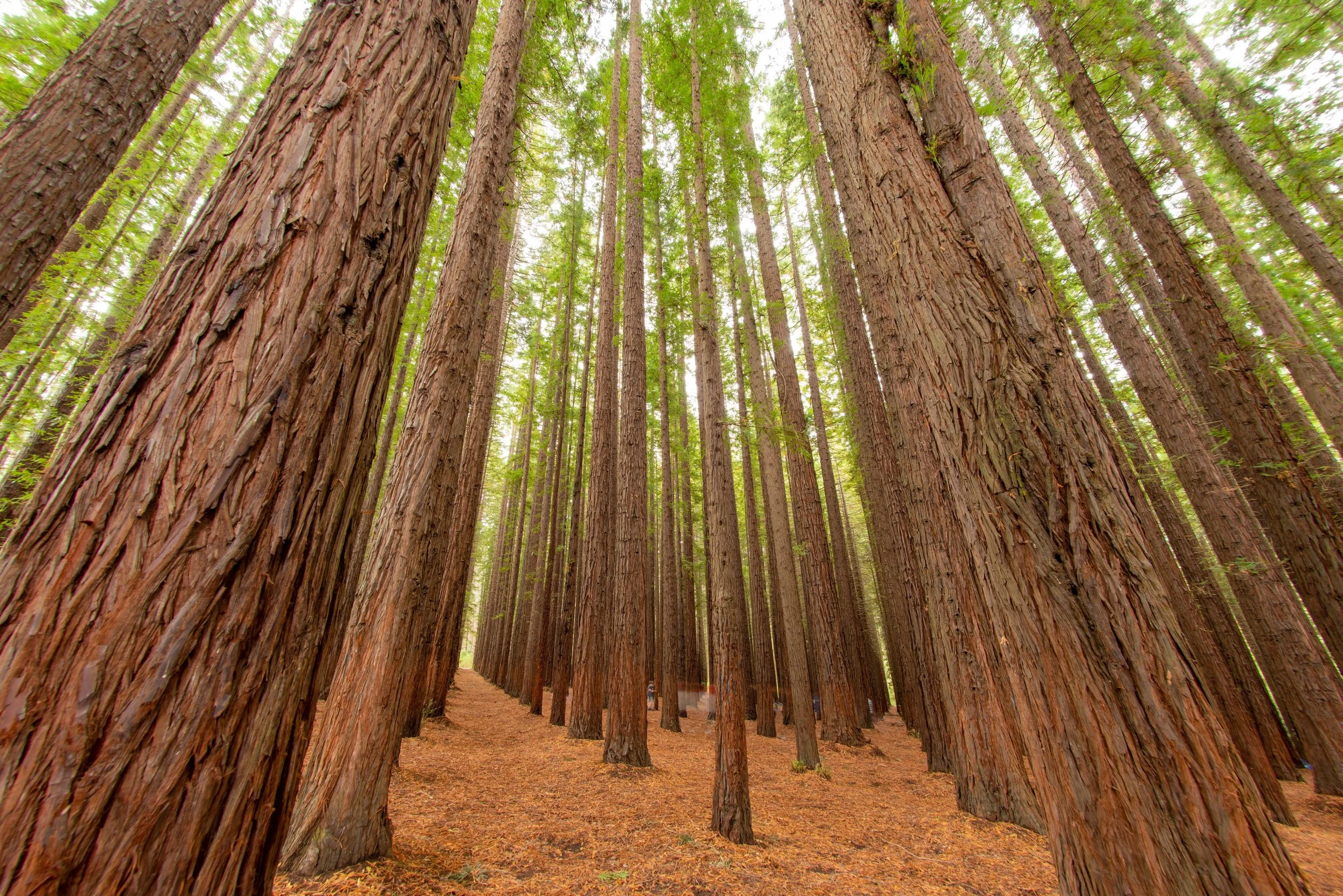
California's forests hold two records that no other place on Earth can match.
Hyperion, a California Redwood Tree located in redwood national park, stands at roughly 381 feet tall, making it the tallest known living tree on the planet. It was discovered in 2006 and continues to grow in the ancient coastal forests of Northern California.
Then there's General Sherman, the world's largest tree by volume, located in sequoia national park. This giant sequoia has a trunk volume of approximately 1,487 cubic meters, stands about 275 feet tall, and has an estimated age between 2,300 and 2,700 years. The coast redwood (tallest) and the giant sequoia (largest) are different species, both native to California. The coast redwood is also the official state tree.
California even has watermelon snow - pink-tinted snow caused by microscopic algae - found in higher elevations of the Sierra Nevada Mountains. From ancient giants to pink snow, these forests never stop delivering surprises.
Fun Fact #3: California Has More National Parks Than Any Other State
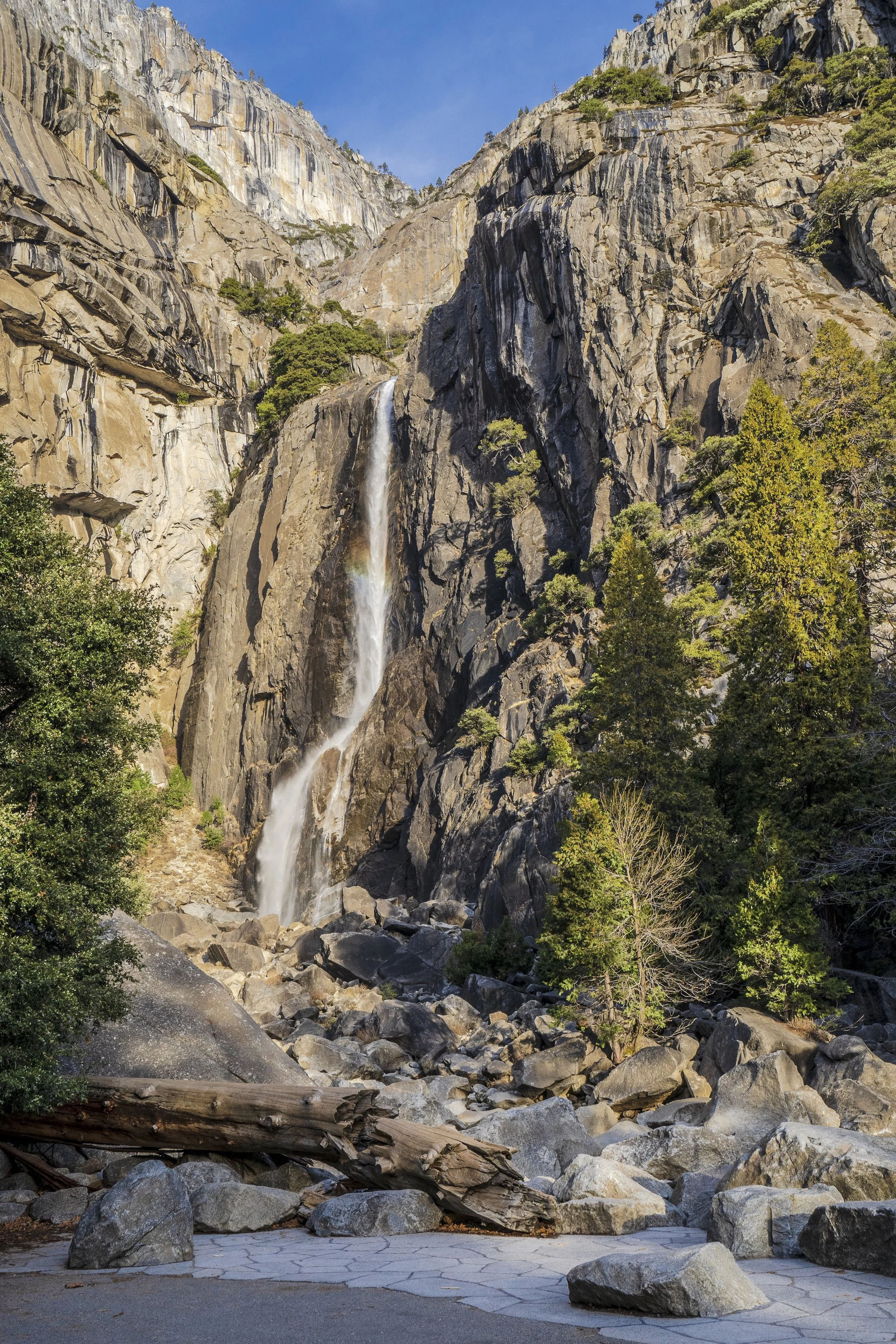
California is home to nine national parks, giving it the most national parks of any state in the country. The list includes some of the most iconic protected landscapes in the world:
Yosemite National Park
Joshua Tree National Park
Sequoia National Park
Death Valley National Park
Kings Canyon National Park
Redwood National Park
Channel Islands National Park
Lassen Volcanic National Park
Pinnacles National Park
What makes this even more impressive is the variety. These parks span everything from volcanic terrain to coastal islands, desert floors to alpine meadows. California hosts approximately 6,500 species of native plants across these diverse ecosystems. The California condor, the largest land bird in the U.S., can also be spotted soaring above some of these parks.
Beyond national park land, California also has hundreds of state parks and more than 100 rivers running through it. The state manages 28 national parks, monuments, and recreation areas combined - more public land under the National Park Service than anywhere else in the country.
Fun Fact #4: Death Valley Holds the World's Hottest Recorded Temperature
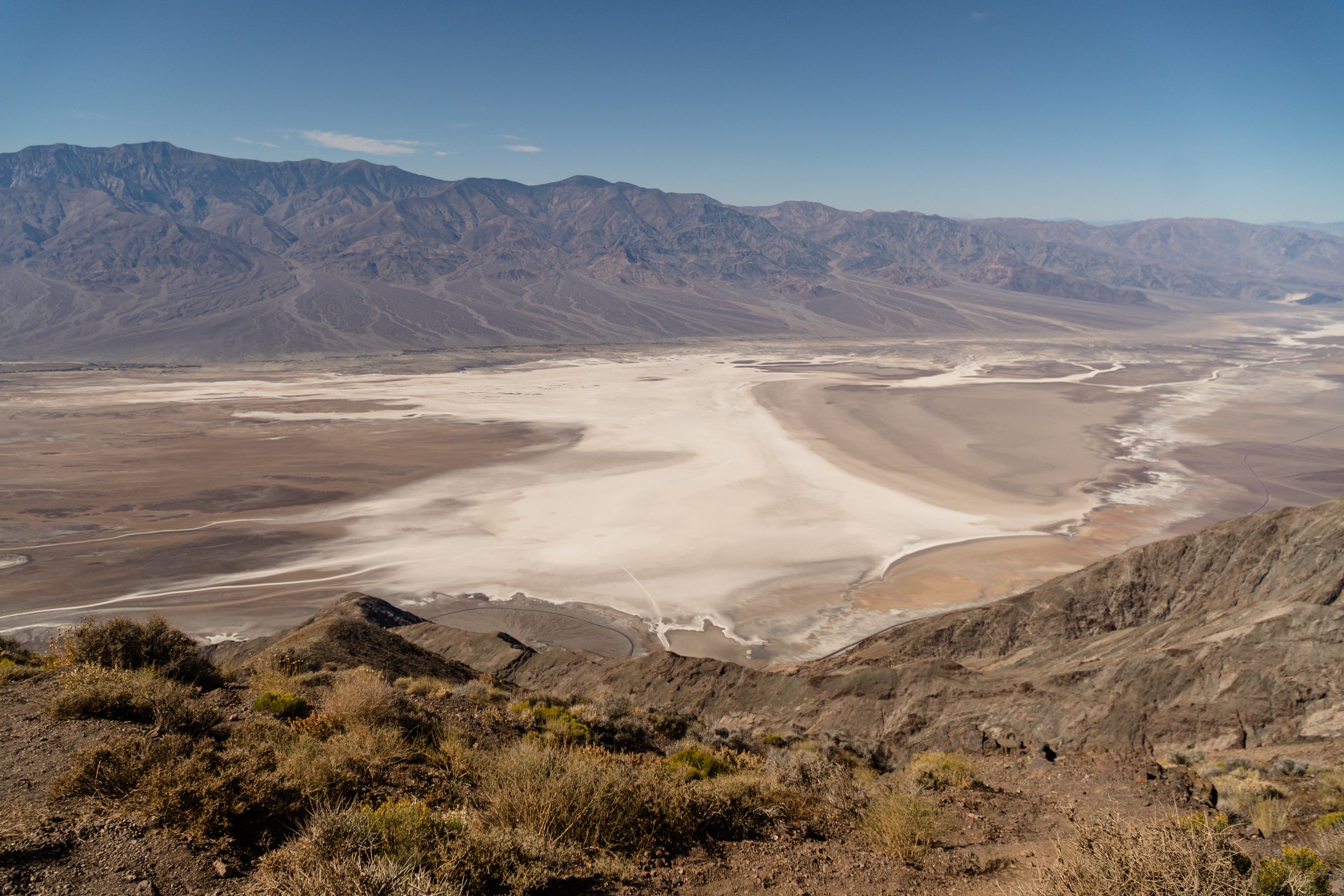
Death Valley is famous for its extreme heat, and for good reason. On July 10, 1913, Furnace Creek recorded an air temperature of 134°F (56.7°C), the highest reliably recorded ambient air temperature on Earth. More recently, Death Valley recorded the hottest temperature of 54.4°C in 2021, reinforcing its reputation as north america's hottest desert.
Death Valley's Badwater Basin sits at −282 feet below sea level, making it the lowest point in North America. Meanwhile, Mount Whitney - just 85 miles away - is the highest point in the contiguous U.S. at 14,505 feet. California has both the highest peak and the lowest point in the contiguous U.S., and they're practically neighbors.
The geography explains the heat. Surrounded by mountain ranges that trap hot air, with extremely low annual rainfall and terrain that absorbs and radiates heat, Death Valley is a natural furnace. Nearby areas like the mojave desert and palm springs share some of these harsh desert conditions, and the colorado river provides critical water to the region. Despite all this, Death Valley remains a popular tourist destination. California has diverse climates from deserts to snowy mountains, sometimes within the same day's drive.
Fun Fact #5: One in Every Eight Americans Lives in California

California is the most populous state in the U.S. with a population of about 39 million people. That means roughly one in eight Americans lives in California.
To put that in perspective, California has a larger population than the entire population of Canada. Approximately one in four Californians was born outside the U.S., making it one of the most culturally diverse places in the world.
The state's major cities account for a huge share of that population. Los Angeles is California's largest city and most populous city, with nearly four million residents. Other large cities include San Diego, San Jose, and San Francisco, each with its own distinct character and culture. Even less commonly mentioned areas like San Bernardino and the surrounding San Bernardino County—the largest county by area in the contiguous United States—contribute to the state's sprawling population.
Fun Fact #6: California Sent the First Internet Message in History

On October 29, 1969, the first arpanet message was sent from UCLA in Los Angeles to the Stanford Research Institute in Menlo Park, California. The intended message was "LOGIN," but the receiving computer crashed after just two letters, making "LO" the very first data transmission on what would become the internet.
About an hour later, after recovering the system, a full login was successfully completed. This early network, called ARPANET, was a packet-switched communication system developed under DARPA. It originally connected just four nodes: UCLA, SRI, UC Santa Barbara, and the University of Utah.
That moment in California's history laid the foundation for everything from email to social media to the device you're reading this on right now. California didn't just participate in the birth of the internet age - it started it.
Fun Fact #7: The State Has an Economy Larger Than Most Countries
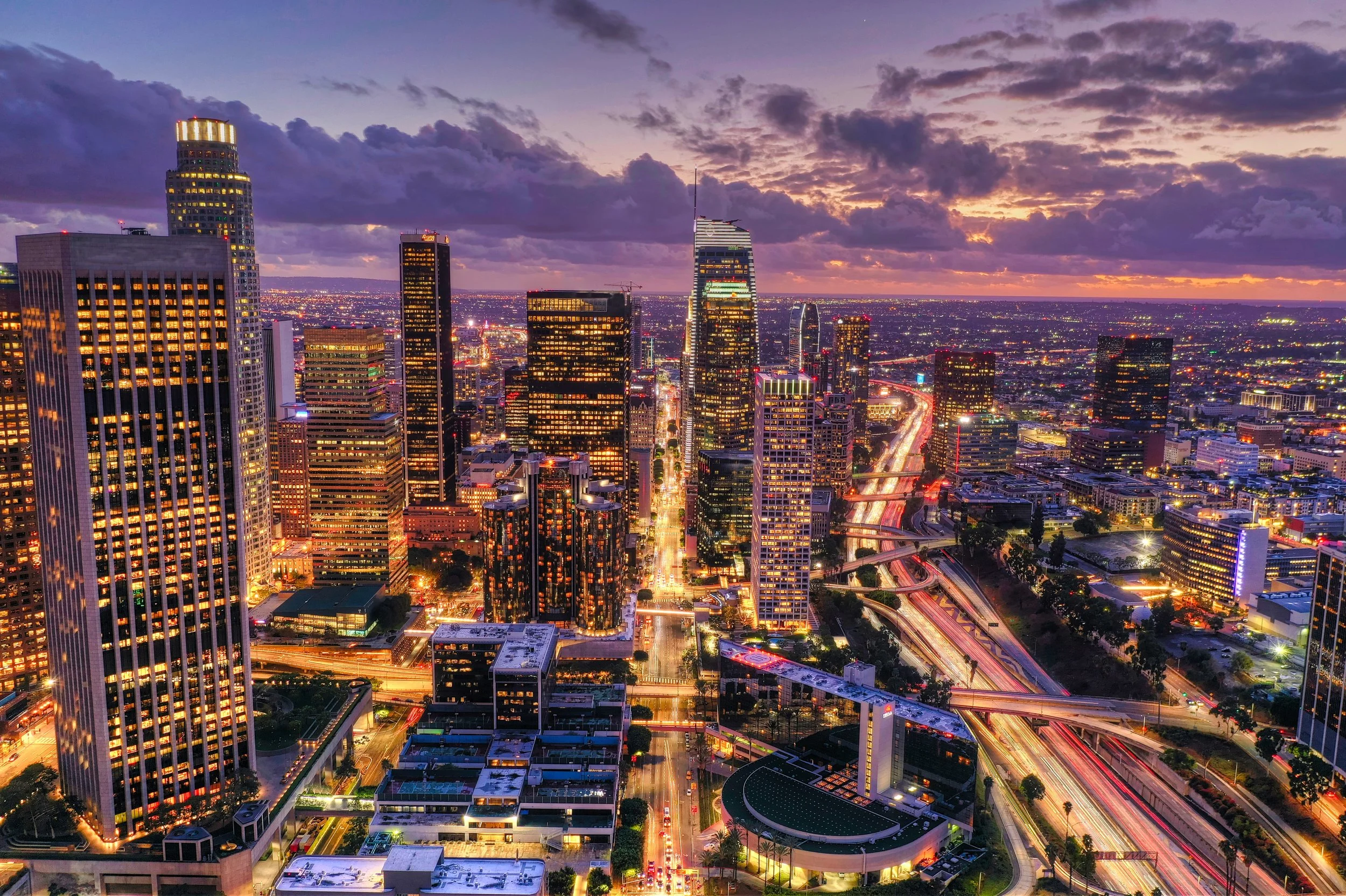
California has the largest economy in the U.S., and it's not even close. California's GDP is $3.97 trillion, and its economy ranks as the fifth largest globally. If California were an independent nation, it would sit ahead of countries like India, France, and the United Kingdom in economic output.
What drives this massive economy? A few key sectors stand out:
Technology: California is home to silicon valley, the world's leading tech innovation hub.
Entertainment: Hollywood is the world's largest film-producing hub, and the broader entertainment industry in southern california generates billions annually. Areas like beverly hills have become synonymous with the industry.
Agriculture: As covered earlier, the state dominates in almonds, avocados, and wine.
Energy: California is home to the world's largest geothermal field, The Geysers, where power plants generate clean electricity from the earth's heat.
Fun Fact #8: California is the Only State to Host Both Summer and Winter Olympics
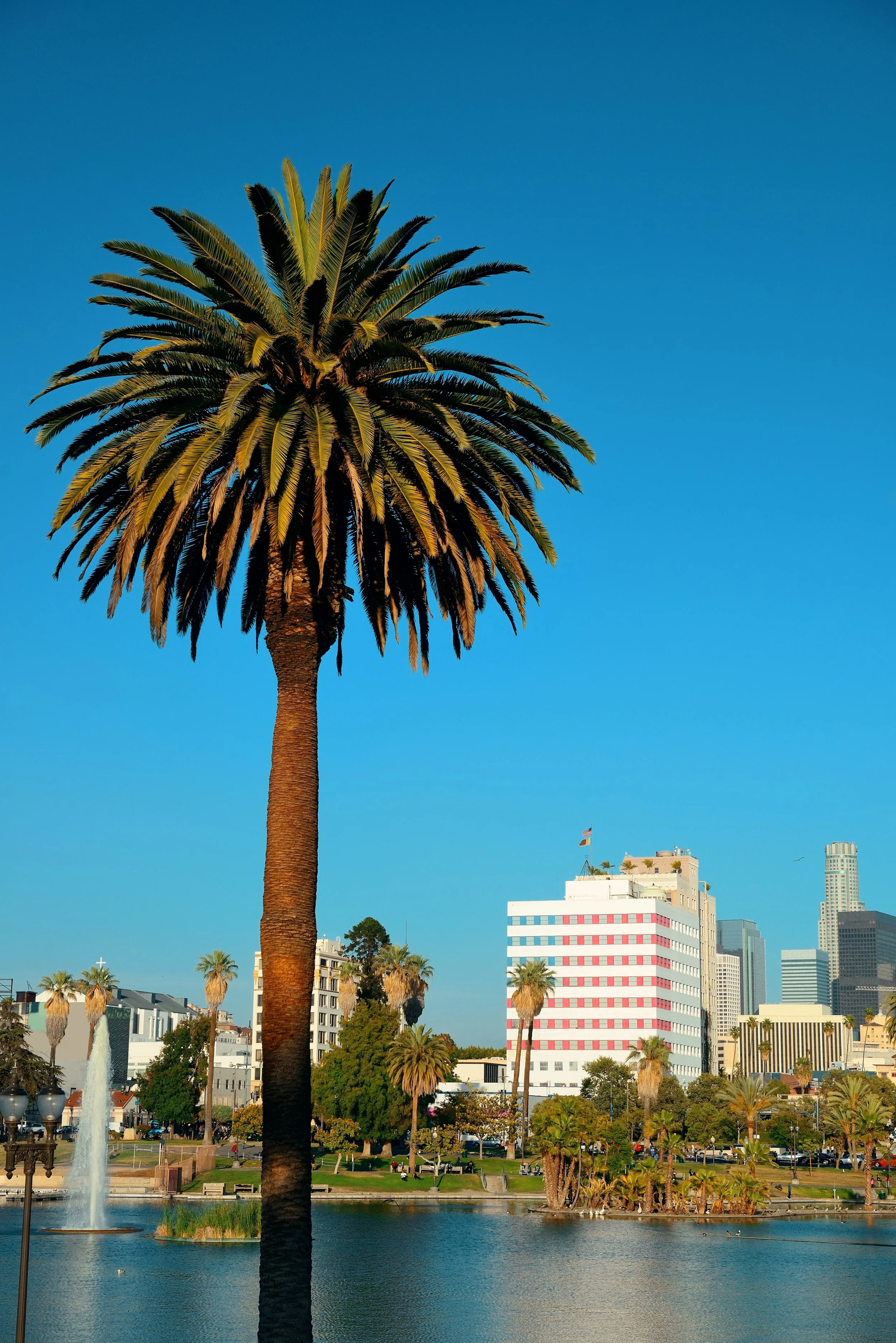
California holds a unique place in Olympic history. It is the only state to have hosted both the Summer and Winter Olympic Games.
Los Angeles hosted the Summer Olympics in 1932 and again in 1984. The city is also set to host in 2028, making it a three-time Summer Olympics host. On the winter side, squaw valley hosted the 1960 Winter Olympics in the snowy peaks of the Sierra Nevada.
This is only possible because of California's remarkable geographic range. You can drive from the beaches along the pacific coast highway to snow-covered mountains in just a few hours. California has diverse climates that allow world-class summer and winter sports to take place within the same state - something no other state in the country can claim.
Fun Fact #9: The State Animal is Extinct in the Wild
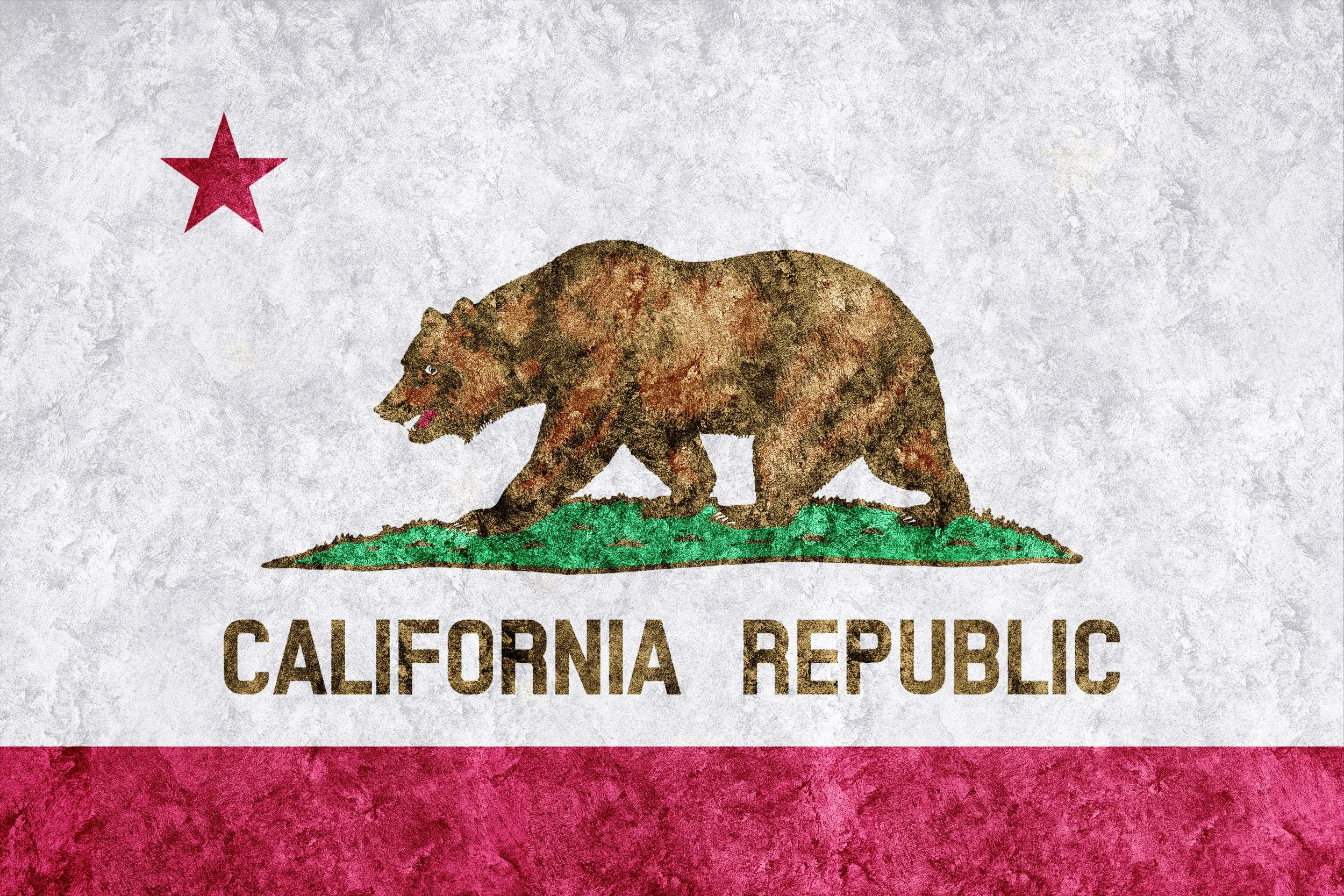
The California Grizzly Bear is the state's official animal, and it appears prominently on the California Flag and state flag. But here's the twist: the grizzly bear has been extinct in California since the 1920s. The last known California Grizzly was shot in Tulare County in August 1922.
The California Grizzly Bear was named the official state animal in 1953, decades after the last one was killed. Its image on the flag dates back even further. The Bear Flag was first raised on June 14, 1846, during the Bear Flag Revolt, when American settlers declared the short-lived California Republic before the Mexican-American War brought the territory under U.S. control.
California's history with the grizzly is layered. Spanish explorers who arrived when California was ruled by Spain from 1769 to 1821 documented the bears throughout early California. James Marshall discovered gold at Sutter's Mill in 1848, starting the California Gold Rush. The Gold Rush era brought massive population growth, which led to widespread hunting and habitat destruction that ultimately drove the grizzly to extinction. California became the 31st state on September 9, 1850, but by then the bears were already in steep decline.
Today, the grizzly remains a symbol of the state's complex relationship with its natural heritage.
Fun Fact #10: California Experiences Over 100,000 Earthquakes Per Year
California experiences over 100,000 earthquakes annually. The vast majority are too small to feel - most register below magnitude 2 or 3. But on average, the state sees two or three damaging earthquakes of magnitude 5.5 or greater each year.
California sits along the boundary of the Pacific and North American tectonic plates. The San Andreas Fault is the most famous, but there are over 200 mapped faults considered potentially hazardous across the state. The Pacific Plate moves roughly 1.5 inches per year relative to the North American Plate.
The most devastating earthquake in California’s history struck San Francisco on April 18, 1906. The 1906 San Francisco earthquake killed over 3,000 people and destroyed much of the city along San Francisco Bay. More recent events like the 1989 Loma Prieta earthquake and the 1994 Northridge earthquake also caused significant damage. California has more than 100 rivers, but its fault lines are what truly shape the landscape.
Quick California Fun Facts Recap
Here's a quick scan of the most memorable facts about California covered in this article:
California produces 80% of the world's almonds and is known as the avocado capital of the world.
The state is home to both the world's tallest tree (Hyperion) and the world's largest tree (General Sherman).
With nine national parks, California has the most national parks in the U.S.
Death Valley holds the world's hottest recorded temperature and contains the lowest point in North America.
One in eight Americans lives in California, and the state's population exceeds Canada's.
The first ARPANET message - and the birth of the internet - happened in California.
California's economy ranks fifth in the world, larger than most countries.
It is the only state to host both Summer and Winter Olympics.
The California Grizzly Bear on the state flag has been extinct since the 1920s.
Over 100,000 earthquakes shake the state every year.
A few bonus facts worth noting: San Francisco's cable cars are the only moving National Historic Landmark in the country. Fortune cookies were created in California's Chinatown, not China. The wetsuit was invented in California in 1952. California is the birthplace of Barbie dolls, created in 1959. The state even has an annual avocado festival celebrating its agricultural heritage.
Conclusion
From the gold rush to silicon valley, from ancient redwoods to earthquake-prone fault lines, California is a state that never runs out of surprises. Modern day California continues to set records, break boundaries, and shape culture on a global scale. And these ten facts are really just the beginning.
Whether you're drawn to the entertainment industry, the natural wonders, or the sheer scale of its economy and population, there's always something new to discover about the golden state. The more you dig into California's geography, history, and culture, the more you realize why it remains one of the most fascinating places in the country.